
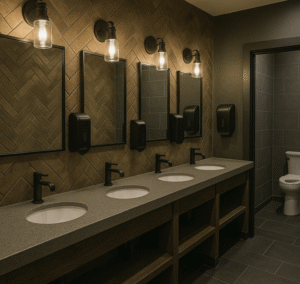
When patrons walk into a restaurant in Weatherford, Texas, the first impressions matter—but so do the lasting ones. A spotless dining area, warm ambiance, and delectable menu entice guests, but it’s the restroom experience that often seals the deal on overall satisfaction. Clean and thoughtfully designed restrooms reflect a restaurant’s commitment to customer comfort, compliance with regulations, and attention to detail. Over time, wear and tear, outdated design, and shifting accessibility standards can degrade the restroom experience, making bathroom remodeling not only desirable but essential for restaurants aiming to maintain—and elevate—their reputation.
In this article, we’ll explore why Weatherford restaurateurs should consider remodeling their bathrooms. We’ll dive into factors such as aesthetics, hygiene, ADA compliance, maintenance costs, sustainability, branding, and more. By the end, you’ll understand how a restroom renovation can deliver both tangible and intangible returns—and how to get started. Let’s go! 🚀
1. Aesthetics & Guest Experience 🎨
First—and Last—Impressions Matter
A customer’s restroom experience is the culmination of their visit. It’s often where they form their final impressions—and whether they’ll come back. A dated restroom with chipped tiles, flickering lights, and lackluster fixtures undermines even the finest cuisine. Modernizing restrooms with clean lines, fresh paint, quality finishes, and contemporary fixtures leaves a final, positive impression.
Reflecting Brand Identity
Your bathroom design should reinforce your restaurant’s overall identity. A vintage steakhouse in downtown Weatherford might use dark wood paneling, subdued lighting, and brass accents, whereas a fresh-casual Mediterranean eatery might opt for bright mosaic tiles and open shelves with lush greenery. Consistency between dining room and restroom helps reinforce your brand’s message and builds guest confidence.
2. Hygiene & Health Standards 🧼
Health Code Compliance
Texas restaurateurs are subject to state and local health codes, which dictate requirements around restroom cleanliness, maintenance, and functionality. These include proper handwashing facilities (soap, warm water, paper towels or hand dryers), working toilets, accessible features, and handwashing signage. If fixtures are leaking, soap dispensers are broken, or ADA grab bars are missing, you risk violations—possibly fines, temporary shutdowns, or reputational damage.
High-Touch Surfaces & Modern Fixtures
Restrooms are high-traffic zones with numerous high-touch surfaces: faucets, flush handles, soap dispensers, stall doors, towel dispensers, and more. Replacing manual-operated items with touchless fixtures—automatic faucets, sensor flush valves, and motion-sensing soap dispensers—not only improves hygiene but also reduces cross-contamination and upkeep. According to the Centers for Disease Control and Prevention (CDC), minimizing touchpoints helps reduce the transmission of pathogens. For best practice guidance, see the CDC’s recommendations on hand hygiene here. 👉
Further, anti-bacterial materials such as copper-alloy door plates and antimicrobial flooring contribute to a healthier environment.
3. ADA / Accessibility Compliance ♿
Americans with Disabilities Act (ADA) Requirements
Under the Americans with Disabilities Act (ADA), restaurants serving the public must provide accessible restrooms with minimum clearances, grab bars, wheelchair-accessible sink height, and toilet seat specifications. These rules apply to new builds and significant remodels—even existing facilities may require upgrades to remain compliant.
Failure to comply can result in legal action, fines, or forced renovations. According to the ADA National Network, “Whenever there is an alteration to a primary function area… the path of travel must also be made accessible to that altered area.” Learn more through the ADA National Network’s guide here.
Ensuring Inclusive Experience
Bathrooms lacking ADA compliance alienate customers with disabilities—and potentially their companions. Renovating to include proper stall widths, accessible grab bars, lever handles, and Braille signage ensures your restaurant is genuinely welcoming to all. Inclusive design is not only socially responsible; it makes good business sense.
4. Energy Savings & Sustainability 💡
Water-Efficient Fixtures
Older restrooms often use outdated fixtures that consume excessive water. Replacing them with low-flow faucets (≤0.5 GPM), high-efficiency toilets (1.28 GPF or less), or waterless urinals leads to dramatic water savings. The Environmental Protection Agency’s (EPA) WaterSense program reports that certified toilets save at least 20% in water usage, leading to substantial cost reductions and positive environmental impact. Visit the EPA site here to learn more.
Energy-Efficient Lighting & Controls
LED lighting paired with occupancy sensors significantly reduces electricity usage compared to incandescent or fluorescent bulbs. When motion detectors switch lights off automatically, you further decrease energy waste. Over time, these upgrades lead to measurable savings—helping improve your restaurant’s bottom line and demonstrating eco-conscious values to the community.
Green Building Benefits
If you’re going for a deeper green renovation, consider seeking LEED or Green Seal certification. Incorporating recycled-content tiles, low-VOC paints, FSC-certified wood, and energy-efficient insulation qualifies your space for recognition—and enhances brand value. Customers increasingly appreciate venues that align with environmental responsibility.
5. Maintenance & Durability
Tackling Wear & Tear
Restroom fixtures endure daily heavy use—often more so than dining-room furniture. Leaky faucets, cracked tiles, fouled grout, and rusting metal surfaces lead to costly repairs or replacements. Establishing a durable, hard-wearing restroom through remodeling avoids ongoing service disruptions and minimizes emergency maintenance.
Simplifying Cleaning
Hospital-grade surfaces such as one-piece molded sinks, seamless epoxy flooring, and coved baseboards are easier to clean and minimize bacterial growth. Replacing grout-heavy tiled floors with epoxy sheet flooring slashes cleaning time and extends lifespan. Anti-graffiti coatings on walls and stall dividers protect exterior finishes from vandalism.
6. Safety & Liability Reduction 🚨
Preventing Slips & Trips
Bathrooms are high-risk zones for slip-and-fall accidents due to wet surfaces. Updating flooring material to textured, slip-resistant options, and installing proper matting or drains minimizes liability. Add grab bars and accessible support features to dramaticsally reduce risks for all patrons.
Safe Electrical & Plumbing
Old wiring, exposed pipes, or outdated fixtures present fire and flooding hazards. A remodel offers the opportunity to inspect and upgrade plumbing and electrical systems, ensuring compliance with national codes and reinforcing long-term safety.
7. Enhancing Revenue & Brand Loyalty 💵
Improving Customer Satisfaction & Word-of-Mouth
Customer restroom experiences are more important than many restaurateurs assume. According to a survey by Nation’s Restaurant News, over 75% of patrons consider restroom cleanliness “extremely important”—ranking it above food variety, location, and décor. A newly renovated restroom generates a sense of care and pride, encouraging guest loyalty, positive reviews, and increased repeat visits.
Attracting Corporate & Private Bookings
Remodeled restrooms can raise your restaurant’s stature for corporate lunches, events, and private parties. Aesthetic and functional appeal supports hosting upscale functions—leading to new revenue channels.
Leveraging Marketing Potential
Use your remodel as marketing content. Social media posts showcasing before/after transformations, eco-friendly upgrades, ADA compliance features, and award badges (e.g., WaterSense or LEED certification) build credibility and reinforce your brand values. Encourage guests to share their admiration with branded hashtags.
8. Pandemic Resilience & Public Health
Preparedness for Future Health Crises
The COVID‑19 pandemic changed how customers view hygiene and cleanliness. Features like touchless faucets, sensor-activated flushers, automatic soap dispensers, and hands-free door openers provide heightened confidence. Provide visible cleaning checklists or QR‑code linked sanitation logs to reinforce transparency.
Messaging Communicated Visibly
Signage highlighting modern hygiene features (“Touchless Faucets Installed”) and improved ventilation helps reassure customers. According to the World Health Organization (WHO), good ventilation—including in restrooms—reduces disease transmission risk WHO ventilation guidance. State-of-the-art restrooms demonstrate commitment to public health.
9. Local Community Context (Weatherford, TX)
Adapting to Local Demographics
Weatherford is growing and diversifying, attracting young families, empty nesters, and professionals seeking a blend of small-town charm and modern amenities. Restaurants that modernize their bathrooms signal awareness of community preferences and aspirations.
Competing with New Venues
With new chains and independent restaurants opening in Weatherford’s Historic Downtown and commercial areas, staying competitive requires continuous investment. A fresh restroom ensures patrons don’t perceive your establishment as outdated—even if they love your classic recipes. In real estate parlance, the restroom is part of the “curb appeal.”
10. Practical Considerations for Remodeling 🏗️
Budget Planning
Restroom remodeling costs vary widely based on scope, materials, labor, and fixtures. A mid-range remodel—featuring updated tile walls and floors, modern fixtures, ADA upgrades, and efficient lighting—can run from $10,000 to $30,000, depending on size and local labor rates. Opting for premium finishes or full ADA modifications can exceed $50,000. To stay on budget, set priorities: glide toward certified water-saving fixtures, long-lasting materials, and essential code requirements first.
Contractor Selection
Choose experienced restaurant-specific contractors familiar with local building and health codes. Such professionals understand grease traps, backflow prevention, floor drains, and ventilation systems unique to food service establishments.
Phased vs. Full Renovation
If zero downtime is impossible, consider a phased renovation—refurbishing one stall at a time or doing non-disruptive work after hours. Portable restrooms may be a last resort; ideally, maintain at least one operating stall at all times.
Timeline & Permitting
Remodels typically take 3–6 weeks including demolition, inspections, rough-ins, and finishing. Coordinate closely with local building inspectors and the Parker County Health Department to secure timely approvals.
11. Financing & Incentive Options 💡
Rebates & Utility Incentives
Local utilities—like Oncor, AEP Texas, or Trinity River Authority—sometimes offer rebates for high-efficiency toilets, low-flow faucets, or other conservation upgrades. WaterSense-certified fixtures may qualify for instant rebates or mail-in offers. Check with your local utility board.
Tax Write-Offs
For independent business owners, restroom remodeling counts as a capital improvement, often eligible for depreciation under IRS Section 179 or the Bonus Depreciation provisions. Consult a tax advisor for specifics.
Financing Alternatives
Going beyond cash outlay? Consider equipment financing or small business loans from institutions like SBA, local credit unions, or banks. Low-interest commercial loans or lines of credit can help fund your remodel—especially if you anticipate increased revenue from enhanced restroom facilities.
12. Measuring Return on Investment (ROI) 📈
Direct Cost Savings
Track water and energy usage before and after your renovations. Installing WaterSense-certified toilets can save 13,000 gallons of water annually per single unit. Energy-efficient LED lighting and motion sensors may reduce electrical consumption by 50% or more.
Indirect Value
Customer satisfaction gains manifest in increased repeat visits, improved online ratings, and higher check averages. Higher event bookings due to nicer bathrooms can boost monthly revenue. Such indirect returns are often hard to quantify but impactful over time.
Marketing ROI
Track engagement on social media posts highlighting restroom upgrades. Did your “New ADA-Compliant Bathroom Reveal!” post get more than usual engagement? Tie it to limited-time offers (e.g., 10% discount for liking the post) to measure direct conversions.
13. Case Study Hypothetical 🚧
Imagine “Main Street Bistro”, a 100-seat restaurant in Historic Downtown Weatherford. It operated for 10 years with basic restrooms: standard toilets and faucets, dim lighting, ceramic floor tile. Over time, the restroom began to show age—some stall doors wouldn’t close, grout was cracked, ADA fixtures were missing, and patrons complained.
Step 1: Assessment
A professional firm evaluated restroom compliance, ADA non-conformities, hygiene issues, plumbing inefficiencies, safety hazards (uneven quadrant tile), and water/energy waste.
Step 2: Scope & Budget
Scope included one unisex ADA-compliant stall with grab bars, sensor faucets/soap dispensers, LED lighting with occupancy sensors, new epoxy-sheet floor for slip resistance, anti-graffiti stall partitions, water-efficient fixtures, fresh paint, and improved ventilation.
Estimated cost: $25,000.
Step 3: Renovation
The bistro closed for 10 days (off-peak) to transform the restroom. They scheduled inspections with inspectors from both building and health departments.
Step 4: Results
-
Water bill dropped by 40% (saving ~$2,500/year).
-
LED/occupancy lighting cut electricity cost by ~$700/year.
-
Positive Yelp and Google reviews rose ~15%, with guests specifically mentioning restroom upgrades.
-
Private bookings for bridal showers increased by 20%.
After 18 months, the bistro recovered its investment—and saw improved revenue and brand momentum.
Conclusion 🏁
A Weatherford, TX restaurant’s restroom facilities are far more than a convenience—they’re a reflection of your brand’s values, an extension of your dining experience, and a critical driver of customer satisfaction. From aesthetics and hygiene to ADA compliance, energy efficiency, and revenue enhancement, bathroom remodeling delivers multilayered benefits that impact your bottom line and community reputation.
If your restrooms show signs of age, fail code reviews, deliver poor cleanliness, or fail to represent your brand, it’s time to take action. Begin with a thoughtful audit—assess compliance, pinpoint areas of improvement, and engage knowledgeable contractors and contractors. Capitalize on rebates, incentives, and tax credits to offset costs. And don’t forget to leverage the renovation as a community engagement and marketing opportunity.
Investing in Bathroom Remodeling Weatherford is investing in your restaurant’s future. By creating a space that’s clean, efficient, accessible, and beautiful, you ensure guests leave happier, tell their friends, and come back sooner. 🥂
Recommended Resources & Authority Links
-
CDC – Handwashing: Why It Matters: https://www.cdc.gov/handwashing/why-handwashing.html
-
ADA National Network – ADA Requirements: https://adata.org/
-
EPA WaterSense Program: https://www.epa.gov/watersense
-
WHO Guidelines on Ventilation & COVID‑19: https://www.who.int/teams/environment-climate-change-and-health/air-quality-energy-and-health/ventilation-and-air-conditioning