
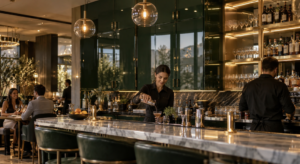
Restaurant design has moved far beyond choosing tables, chairs, lighting, and wall colors. Today’s dining spaces are expected to create an experience before the first plate reaches the table. Guests notice the entrance, the bar, open-kitchen details, service stations, cabinetry, lighting, and even the way surfaces reflect the room around them. As restaurants compete for attention both in person and online, every design decision has become part of the brand.
One material choice gaining momentum in contemporary restaurant interiors is high-gloss cabinetry. Sleek finishes, clean lines, dramatic reflections, and strong visual contrast are making Gloss cabinets increasingly attractive for restaurants that want a polished, modern appearance. From upscale hotel restaurants and cocktail lounges to fast-casual concepts and chef-driven dining rooms, glossy cabinetry can help create interiors that look intentional, current, and memorable. ✨
The trend also reflects larger changes taking place throughout hospitality. Restaurants and hotels are increasingly treating design as an important part of the guest experience rather than simple decoration. According to Wikipedia’s overview of hotel design, contemporary hospitality design brings together aesthetics, functionality, guest needs, engineering, interior planning, and operational considerations. Restaurants are applying many of those same principles as they create spaces designed to work efficiently while making a strong visual impression.
Restaurant Design Has Become Part of the Dining Experience
A restaurant meal is no longer judged only by what arrives on the plate. The surroundings influence how guests perceive the entire experience. Lighting, color, texture, acoustics, furniture, fixtures, and cabinetry all contribute to the atmosphere people associate with a restaurant.
This is especially noticeable in restaurants connected to hotels and resorts. Hotel Management has reported on the growing emphasis on designing hotel restaurants to appeal to local diners rather than treating them solely as amenities for overnight guests. That shift puts greater pressure on restaurant interiors to establish their own identity.
Glossy cabinetry fits naturally into this environment because it immediately produces a finished, sophisticated appearance. Under carefully planned lighting, polished cabinet surfaces reflect highlights throughout the room and can make bars, host stations, private dining areas, and open kitchens feel more refined.
In a competitive dining market, those details matter. A restaurant has only a brief opportunity to make an initial impression when someone walks through the door. A cohesive interior can reinforce the idea that the same level of attention given to the dining room has also been given to the menu, service, and overall operation.
Gloss Finishes Create a Modern Luxury Look
Luxury restaurant design does not always depend on elaborate ornamentation. Many contemporary spaces create a premium feeling by using fewer materials more deliberately. Smooth cabinetry, stone counters, architectural lighting, metal details, natural wood, glass, and carefully selected furnishings can create an environment that feels expensive without becoming visually overwhelming.
High-gloss cabinet surfaces work especially well within this approach. Their reflective quality gives cabinetry depth while creating contrast against matte walls, textured stone, wood floors, or upholstered seating.
The broader hospitality market has also been moving toward environments in which design contributes directly to how guests experience a property. Hospitality Net’s 2026 luxury hospitality design trends report describes design as an increasingly important force in establishing identity, guest appeal, adaptability, and long-term hospitality value.
Restaurants can apply the same thinking. Cabinetry is one of the largest built-in visual elements in many dining spaces, particularly around bars and open kitchens. Choosing a polished finish allows those areas to become part of the restaurant’s visual identity instead of disappearing into the background.
Dark gloss cabinets can create a dramatic evening atmosphere. White or light-colored gloss surfaces can make a restaurant feel brighter and more contemporary. Neutral finishes can provide a sophisticated backdrop for stone, brass, stainless steel, tile, or distinctive lighting.
Social Media Is Influencing Restaurant Interiors
Restaurant design now has an audience far beyond the people physically sitting inside the dining room. Guests photograph food, bars, dining areas, hotel lobbies, lighting installations, and distinctive architectural details every day. Those images circulate across social platforms, review sites, travel websites, and local publications.
That has changed the value of visual design.
A memorable interior can effectively become part of a restaurant’s marketing. When customers share photographs, the background becomes nearly as important as the meal itself. A well-designed bar with reflective cabinetry, warm lighting, attractive bottles, and dramatic stonework can become an instantly recognizable visual signature.
Hotel Dive has highlighted the importance of carefully considered design details in creating memorable hospitality experiences. Restaurants operate under similar pressures. Guests encounter thousands of food and travel images online, so a restaurant needs more than an attractive dining room. It needs visual elements that people remember.
Gloss cabinetry contributes to that effect because light interacts with it differently throughout the day. Natural daylight can make polished surfaces feel fresh and bright, while evening lighting can transform the same cabinetry into something moodier and more dramatic. 📸
This flexibility is valuable for restaurants that serve lunch, dinner, cocktails, private events, or several dayparts within the same space.
Hotel Restaurants Are Becoming Destinations of Their Own
One of the clearest signs of changing restaurant design priorities can be seen inside hotels.
Hotel restaurants were once commonly treated as supporting amenities primarily intended for overnight guests. That model has changed considerably. Many hotels now want restaurants capable of attracting local diners, generating independent demand, hosting special occasions, and strengthening the identity of the entire property.
Recent hospitality data reinforces the importance of that shift. Hotel News Resource reported on OpenTable’s 2026 Top 100 Hotel Restaurants in America and noted research indicating that dining experiences are increasingly influencing travel and hotel decisions.
When a restaurant becomes a destination, its physical environment has to support that positioning. A standard institutional appearance is unlikely to generate the same excitement as a distinctive restaurant with its own personality.
Cabinetry can make a surprisingly large contribution. Back bars, service cabinetry, hostess stations, buffet installations, display areas, wine storage, private event rooms, and visible kitchen elements all offer opportunities to reinforce the design concept.
A gloss finish can tie these individual areas together and help create the sense that guests have entered a purpose-built restaurant rather than simply another section of a hotel.
Cabinetry Can Help Smaller Restaurant Spaces Feel More Open
Not every restaurant has a massive dining room. Urban restaurants, hotel cafés, cocktail bars, airport concepts, and mixed-use developments often operate within limited footprints.
In those environments, visual weight becomes important.
Dark, heavily detailed cabinetry can be beautiful, but too much of it can make a compact room feel enclosed. Glossy surfaces provide another option because reflected light can visually open the surrounding area. They do not physically increase the size of a restaurant, but they can reduce the heavy appearance sometimes created by large runs of cabinetry.
This is particularly effective when designers combine gloss cabinetry with under-cabinet lighting, mirrors, glass shelving, light countertops, or restrained architectural details.
The larger hospitality industry is paying close attention to efficient use of space as well. LODGING has examined the growing importance of hotel food-and-beverage operations as revenue-generating destinations. When restaurants and bars need to contribute more financially, operators have a strong incentive to make every square foot attractive, functional, and productive.
Thoughtful cabinetry allows storage and operational necessities to be incorporated without sacrificing the overall atmosphere.
Restaurants Want Surfaces That Support a Cohesive Brand
Strong restaurant brands tend to have visual consistency. The menu, signage, furniture, lighting, uniforms, bar design, colors, finishes, and service style should feel as though they belong to the same concept.
Cabinetry can reinforce that identity because it occupies substantial visual space.
A contemporary seafood restaurant might pair white gloss cabinets with pale stone and blue-gray accents. A modern steakhouse could combine charcoal gloss cabinetry with warm wood, leather seating, and metallic details. A luxury hotel restaurant may use warm neutral gloss finishes with natural stone and understated lighting. A fashionable cocktail lounge could choose deep-colored cabinetry that reflects low evening light.
The important point is not simply choosing something shiny. The cabinetry has to support the restaurant’s overall design language.
Modern hospitality design increasingly emphasizes the relationship between spaces, experiences, and brand identity. Hospitality Net’s coverage of changing hospitality design and development trends points toward environments shaped by authenticity, comfort, sustainability, local culture, and evolving guest expectations.
That makes thoughtful material selection more important. A cabinet finish should feel connected to the concept rather than added because it happens to be fashionable.
Food and Beverage Areas Are Receiving Greater Attention
Hotel operators are also paying closer attention to food and beverage because dining has become an important part of how guests evaluate hospitality experiences.
The American Hotel & Lodging Association’s Hotel Beverage Study 2026 reflects the industry’s continuing focus on guest behavior and opportunities within hotel food-and-beverage operations.
As operators invest more heavily in bars, restaurants, lounges, cafés, and event spaces, cabinetry becomes part of both the functional infrastructure and the visual presentation.
Behind a restaurant bar, for example, cabinetry must organize supplies while maintaining an attractive appearance visible to customers. In open kitchens, storage may become part of the architecture. In private dining areas, built-in cabinets can hold serving pieces while creating a refined residential feeling.
Gloss cabinetry gives designers another way to turn these functional requirements into intentional visual features.
Contrast Is Driving More Sophisticated Restaurant Design
One reason glossy cabinetry works well in current restaurant interiors is that designers are increasingly combining contrasting textures rather than covering a space in one uniform finish.
A room may feature polished cabinetry alongside honed stone, textured walls, natural wood, handmade tile, fabric seating, brushed metal, or concrete. Each surface reacts differently to light, creating depth without requiring excessive decoration.
Gloss finishes are especially effective when used selectively. A dramatic bar may become the brightest visual element in an otherwise subdued dining room. A glossy service station may appear crisp against textured walls. Light cabinetry can provide contrast against darker floors or ceilings.
This layered approach creates interiors that reveal themselves gradually instead of appearing flat.
Hospitality design reporting increasingly emphasizes spaces that feel distinctive rather than generic. Restaurants benefit from the same philosophy. Guests may not identify every individual finish used in a room, but they recognize when the combination feels deliberate.
The Trend Extends Beyond the Dining Room
Gloss cabinetry does not have to be limited to the main restaurant floor. It can appear throughout a hospitality property wherever food, beverage, entertainment, or guest service spaces need built-in storage and visual consistency.
Hotel executive lounges, rooftop bars, private event spaces, cafés, wine rooms, dessert counters, catering areas, chef’s tables, and luxury suites can all share complementary cabinetry treatments.
This creates continuity throughout a property without requiring every room to look identical.
Restaurants operating independently can use the same strategy. A private dining room can carry elements from the primary restaurant while using a different cabinet color. A bar can use darker glossy finishes while the daytime café area remains lighter. A takeout counter can maintain the restaurant’s identity without duplicating the entire dining-room design.
That flexibility is one reason gloss cabinetry continues to attract attention among designers working on hospitality environments.
Conclusion
Restaurant design is becoming increasingly connected to branding, marketing, guest experience, social media, and revenue. A successful dining room has to function efficiently while creating an atmosphere people want to enter, remember, photograph, and return to.
Gloss cabinetry fits naturally into that changing environment. Its clean appearance can complement contemporary restaurant architecture, strengthen luxury positioning, reflect lighting, provide contrast with natural materials, and help functional areas become part of the overall design rather than something that needs to be hidden.
The strongest restaurant interiors do not depend on a single trend. They combine materials, lighting, furniture, layout, food, service, and branding into one coherent experience. Gloss cabinetry gives designers another powerful material to work with as restaurants move toward spaces that feel increasingly polished and distinctive.
For hotel restaurants, independent dining concepts, luxury hospitality projects, and modern commercial spaces, the growing interest in glossy cabinetry represents something larger than a surface-level trend. It reflects an industry in which design has become part of the product itself. 🍽️