
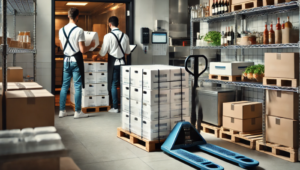
Pallets are one of those behind-the-scenes decisions that quietly shape how a restaurant runs day to day. They affect food safety, pest control, organization, staff efficiency, and even how confident an inspector feels walking through the back door. The right pallet choice keeps product off the floor, supports clean rotation, avoids contamination risks, and holds up in coolers and freezers without turning into a constant headache. 😊
Below is a practical guide to the pallet types that fit restaurant realities, along with how to match pallets to dry storage, walk-ins, receiving, and high-turn inventory.
Start With the Non-Negotiables: Cleanability, Compliance, and Control
Restaurants live in a world where storage has to stay clean, visible, and easy to maintain. Pallets should help that, not fight it. The best pallets for restaurants share a few traits:
They keep food and food-contact items properly elevated and easy to clean around, which aligns with common industry food-safety storage expectations. A clear example is ServSafe guidance that emphasizes storing food at least six inches off the floor and keeping storage areas clean and dry.
They avoid porous surfaces that can hold moisture, odors, and residue. That matters in busy back-of-house spaces where spills and condensation happen.
They work in your actual environment, including walk-in humidity, freezer temperatures, tight receiving areas, and frequent restocking.
They reduce risk, including splinter hazards, nail pops, and contamination exposure that can come with damaged or questionable pallets.
Food-Grade Plastic Pallets: The Best Default for Most Restaurants
For most restaurants, food-grade plastic pallets are the strongest all-around choice. They are easier to wash, do not absorb moisture like wood, and hold up well in damp walk-ins where cardboard and untreated wood tend to deteriorate faster.
Plastic pallets also align with how many restaurant operators organize storage when reopening or reorganizing walk-ins. The National Restaurant Association’s walk-in reorganization guidance is blunt about wood pallets in this setting, making the point that wood pallets are not the choice they want in food storage areas.
Where plastic pallets shine
-
Walk-ins and prep-adjacent storage where moisture is common
-
Beverage storage, dairy, produce cases, and anything with frequent rotation
-
Receiving areas where fast wipe-down and visual cleanliness matter
What to look for
-
“Food-grade” or “hygienic” design that minimizes hollow cavities
-
Non-slip deck surfaces for stacked boxes
-
A load rating that matches your heaviest deliveries
-
Rackable designs if you use pallet racking or elevated shelving systems
New, Heat-Treated Wood Pallets: Acceptable in Dry Storage With Tight Standards
Wood pallets are common in distribution, and they can work in restaurants under the right conditions, especially in dry storage where humidity is controlled and pallets stay clean and intact.
The key is new and heat-treated wood, with a strict rule that cracked, stained, chemically smelling, or repaired pallets do not enter your storage areas. Older industry coverage has long flagged concerns around contamination and recommends plastic or new wood pallets for fresh and sensitive categories.
Where wood can make sense
-
Dry storage rooms with good airflow and low moisture
-
Light to moderate loads where the pallet stays stationary and clean
What to avoid
-
Reused pallets of unknown origin
-
Pallets with visible spills, grease marks, or strong odors
-
Pallets with splinters, protruding nails, or soft, wet boards
If wood is used at all, it belongs in the cleanest, driest part of the operation with consistent monitoring and quick removal when damaged.
Composite and Pressed Pallets: A Middle Ground With Consistency Benefits
Composite pallets, including pressed wood or mixed-material designs, can offer more uniform sizing than random wood pallets and can reduce splintering compared to rough boards. They are often lighter than heavy wood blocks and can be easier to stack when not in use.
They are not always the top pick for wet walk-ins, but they can work well for dry goods and predictable inbound inventory. For restaurants that care about standardizing back-of-house systems, consistency matters because it reduces mishaps during receiving and storage resets.
A helpful baseline is understanding what pallets are and how different materials behave in handling systems, including the common dimensions used in North America.
Dunnage Racks and Pallet Alternatives: Sometimes the Better Choice Inside Walk-Ins
In many restaurants, “pallet” ends up meaning “anything that keeps product off the floor.” Inside walk-ins, dunnage racks often outperform pallets because they are designed specifically for food environments, are easy to clean, and create consistent clearance under product.
Industry guidance aimed at restaurants often names dunnage and racks as the preferred way to create that clearance in coolers and storage.
Pallets can still be used in walk-ins, but racks frequently win because they keep aisles tidy, support FIFO, and make it easier for teams to see what is expiring first.
Match the Pallet to the Zone: Dry Storage, Receiving, Walk-Ins, Freezers
One of the biggest mistakes is picking a single pallet type and forcing it everywhere. Restaurants run multiple storage “micro-environments,” and pallets should match the zone.
Receiving and staging
-
Plastic pallets handle fast cleanup better and look cleaner during walkthroughs.
-
If wood is used, it stays in staging only, not long-term storage.
Dry storage
-
Plastic or new, clean wood can work.
-
Consistency matters for stacking and reducing box crush.
Walk-ins
-
Plastic pallets or, better yet, dunnage racks for most categories.
-
Prioritize washability and airflow.
Freezers
-
Freezer-rated plastic pallets are a strong pick because they resist moisture damage and stay stable through temperature cycling.
-
Consider racking systems and corrosion-resistant storage hardware for cold environments, which is commonly recommended for cooler and freezer storage setups.
Think Beyond the Pallet: Traceability, Supplier Standards, and Modern Restaurant Operations
Restaurants increasingly care about traceability and tighter supply chain visibility. Pallets and unit loads are part of that picture, especially as suppliers standardize labeling, scanning, and inventory controls. Restaurant operations coverage has discussed industry moves toward better traceability tools and supply chain standards.
On the restaurant side, the National Restaurant Association has also published guidance connected to traceability expectations from regulators, reinforcing that restaurants are not “outside” the supply chain conversation anymore.
This matters because a restaurant using clean, standardized pallets or pallet alternatives usually runs a cleaner receiving process, keeps inventory more organized, and reduces the scrambling that causes cross-contamination and missed rotation.
For a broader operational view, restaurant-focused supply chain coverage has highlighted how restaurants are tightening inventory practices and efficiency to stay competitive, which connects directly to how storage is set up and maintained.
Further Reading Related to Restaurant Industry Coverage
-
Getting ready to reopen your restaurant? Reorganize walk-ins before reopening restaurants
-
Optimizing Restaurant Food Stock Through Supply Chain Efficiency
Conclusion
Restaurants do best with pallets that support clean storage, fast cleanup, consistent organization, and low-risk handling. Food-grade plastic pallets are the strongest default for most operations, especially anywhere moisture is present. New, heat-treated wood pallets can work in controlled dry storage when standards are strict and damaged pallets are removed immediately. In walk-ins, dunnage racks and food-safe elevated storage often outperform traditional pallets because they are built for the environment and simplify cleaning and rotation.
Choosing pallets by zone, enforcing a simple acceptance standard at receiving, and prioritizing washability and durability turns a small operational detail into a quiet advantage that keeps the back of house safer, cleaner, and easier to run.