
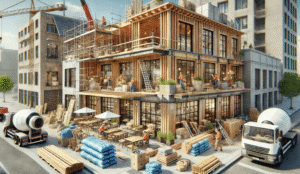
San Francisco is a rare blend of culinary ambition, high expectations, and high complexity. Opening or renovating a restaurant here isn’t just about great food and a gorgeous dining room—it’s a gauntlet of permitting steps, design decisions, procurement puzzles, schedule risks, and budget landmines. When the stakes include prime-location rents, impatient landlords, and a team eager to get to service, mistakes are expensive and delays are brutal. That’s exactly why an Owner’s Representative (Owner’s Rep) is not a luxury but a necessity for restaurant projects in the city. Acting as your advocate from day one through opening night, an Owner’s Rep translates your vision into a coordinated plan, protects your budget and timeline, and keeps the build aligned with hospitality operations so you can open with confidence—and stay open.
What an Owner’s Representative Does (And Why Restaurants Benefit)
An Owner’s Rep is your project quarterback. They represent your interests—not the architect’s, not the contractor’s, not the landlord’s. In practice, that means setting clear scope, building a real-world budget, creating a schedule that accounts for San Francisco’s approval timelines, aligning design with operational needs, orchestrating vendors and long-lead items, and pressure-testing every assumption. For restaurant owners and operators juggling menu development, team recruiting, and pre-opening marketing, this single point of accountability keeps the entire construction effort moving in sync with the business plan. The result: fewer surprises, faster decisions, and a far better shot at opening on time without compromising your concept.
San Francisco Adds Complexity You Can’t Ignore
Every market has its quirks, but San Francisco adds a particularly dense layer of scrutiny and process. Local and state rules, evolving public-space expectations, and neighborhood sensitivities can all impact design and approvals. Meanwhile, the broader restaurant industry continues to navigate tricky real estate dynamics and development bottlenecks—scarce sites, high costs, tight inventories, and permitting delays—which compound the challenge of launching or refreshing a venue here. An Owner’s Rep brings market-specific experience and a reality check on timeframes so you’re not building your business plan on wishful dates. See how national operators are adapting to a constrained real-estate and permitting environment in industry reporting like Nation’s Restaurant News’ coverage of development bottlenecks. Nation’s Restaurant News
Permitting and Approvals: Time Is Money ⏳
Permitting delays are more than an inconvenience; they cascade into everything else—rent commencement, cash flow, seasonal openings, and staff hiring. An Owner’s Rep maps your approval pathway, sequences submissions, coordinates responses to plan-check comments, and proactively manages dependencies so your project doesn’t stall. Industry analysis highlights how permitting uncertainty can push openings back, inflate costs, and erode a project’s ROI—precisely the scenario a diligent Owner’s Rep is hired to prevent or mitigate. Restaurant Dive’s discussion of permitting headwinds captures this risk landscape and why planning for it matters. Restaurant Dive
Budget Protection: Value Engineering Without Compromising the Guest
Restaurants live and die on margin. A skilled Owner’s Rep knows where to invest (acoustics, ventilation, kitchen flow, durable finishes) and where to trim without hurting the guest experience. They pressure-test contractor bids, flag scope gaps, reconcile drawings with site realities, and model long-lead procurement to avoid price spikes. When markets are tight and schedules slip, costs climb—your advocate keeps a running ledger of decisions and their budget impacts so you can course-correct early rather than explain overruns later.
Schedule Discipline: Aligning Construction With Pre-Opening Ops
A restaurant construction schedule must integrate with hiring, training, menu testing, health inspections, and soft openings. Your Owner’s Rep builds a critical path that includes equipment commissioning, AHJ inspections, health and fire approvals, and a realistic buffer for punch-list fixes. They run weekly progress meetings, hold trades to milestones, and escalate blockers before they snowball. In a city where momentum is everything, schedule discipline is the difference between catching a peak season and missing it.
Design That Cooks: Back-of-House Flow, Ventilation, Acoustics, and Power
Beautiful dining rooms don’t save kitchens that bottleneck. An Owner’s Rep bridges the gap between design intent and operational reality: validating that line equipment has the power and make-up air it needs; confirming hood paths and roof penetrations; protecting circulation for servers; controlling reverberation so conversation feels lively, not loud; and ensuring bar and POS placements support speed. They coordinate between the architect, MEP engineers, kitchen consultant, and GC so the drawing set actually reflects how your restaurant will work at 7:15 p.m. on a Saturday.
Procurement and Long-Lead Items: Don’t Let a Part Sink Your Opening
From custom hoods to dishwashers and specialty lighting, long-lead items can quietly sabotage your opening if not ordered and tracked early. Supply chain disruption has not vanished—operators still face sporadic shortages, logistics hiccups, and material cost swings. A vigilant Owner’s Rep identifies critical items, locks orders against the schedule, and builds alternates so one delayed component doesn’t idle the entire project. Industry coverage continues to note the operational and financial pressures from supply chains, underscoring the value of proactive procurement management. NetSuite
Real Estate Reality: Fitting Your Concept to the Box 📦
San Francisco’s restaurant real estate is competitive and nuanced. Many second-generation spaces look tempting, but converting them to your concept can be trickier than it appears—structural limits, venting, grease management, ADA upgrades, and utility capacity can turn a “light remodel” into a heavy lift. An Owner’s Rep participates in site selection and lease review, scopes test-fits, estimates retrofit costs, and protects you in the work letter so you’re not inheriting hidden liabilities. Nationally, development has been complicated by low inventory and cost pressures, a context that reinforces why technical diligence up front saves time and money downstream. Nation’s Restaurant News
Labor and Operations During the Build: Plan for Training, Not Just TCO
Even as labor conditions shift, operators still juggle hiring and retention while trying to open on schedule. Construction delays can force you to onboard too early—or too late—either burning payroll or compressing training. An Owner’s Rep coordinates your operational ramp with realistic turnover dates, so culinary and front-of-house teams get the hands-on time they need with actual equipment in place. Industry reporting shows the labor picture has improved from peak shortage levels, but it’s still not “problem solved,” which makes timing and predictability on the build side that much more valuable. Restaurant Business Online
Stakeholder Management: Landlords, Neighbors, and Inspectors
Owner’s Representatives are professional communicators. They manage expectations with landlords, keep neighbors in the loop on noisy work, and coordinate with inspectors so you’re not waiting an extra week for a simple sign-off. In San Francisco’s tight-knit neighborhoods, a respectful, transparent approach during construction pays dividends in goodwill on opening day—and beyond.
Risk Management: Documentation, Contingencies, and Change Control
Restaurant projects move fast, and scope tends to creep. Your Owner’s Rep sets up change-order protocols, maintains an issue log, and tracks RFIs so design clarifications don’t become budget shocks. They insist on closeout readiness from the beginning—collecting submittals, warranties, O&M manuals, and as-builts—so that when you cut the ribbon, you also have the documentation to operate and maintain the space without drama.
How Your Owner’s Rep Drives ROI (Not Just “Cost”)
Think of your Owner’s Rep as an ROI engine. By reducing schedule slips, preventing rework, right-sizing value engineering, and preserving your brand experience, they protect revenue and margin that far outweigh their fee. They also de-risk decisions so you can focus on what makes your concept special—menu innovation, hospitality culture, and marketing momentum—while they translate that vision into a build that performs.
Curated Industry Reading for Restaurant Owners
If you want to dig deeper into the trends that affect construction and openings, these timely pieces are useful context:
-
Nation’s Restaurant News on how real-estate scarcity, costs, and permitting delays are creating development bottlenecks for operators: How restaurant companies are navigating a messy real estate market. Nation’s Restaurant News
-
Restaurant Business on why labor challenges—though improved—still complicate restaurant operations and planning: Restaurants’ labor situation has improved, but it’s far from perfect. Restaurant Business Online
-
Restaurant Dive on why permitting delays create costly domino effects across the development timeline: Permitting challenges serving up trouble. Restaurant Dive
Choosing the Right Owner’s Rep in San Francisco ✅
When you evaluate candidates, look for hospitality-specific experience and recent San Francisco projects. Ask for detailed project plans and sample risk registers. Ensure they can speak fluently with architects and engineers, but also think like an operator—understanding ticket times, line of sight for service, expo ergonomics, and acoustic comfort. Insist on references from chefs or GMs who can attest to how the build supported opening week performance, not just the punch list.
Conclusion
In San Francisco’s high-stakes dining scene, the difference between an on-time, on-brand opening and a costly, morale-draining slog is often the presence of a strong Owner’s Representative. They anticipate permitting hurdles, enforce schedule discipline, safeguard your budget, coordinate complex technical designs, and keep the whole team aligned on what matters most: delivering a guest experience that earns repeat visits from day one. If you want your kitchen to hum, your bar to fly, your acoustics to invite conversation, and your opening to land on the calendar you promised investors and staff, hire a San Francisco Owners Representation. It’s the smartest insurance you can buy against the very real risks of restaurant construction in San Francisco—and the surest way to turn your concept into a beloved neighborhood dining room.