
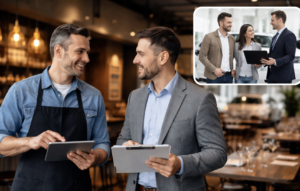
Restaurants and car dealerships may look like they live in different worlds, but the growth logic behind both businesses is surprisingly similar. Each one depends on first impressions, lead conversion, follow-up, customer experience, repeat business, reputation, and strong local visibility. That is why the operational discipline behind Dealership Consulting has real value for restaurant owners who want more than occasional traffic spikes. It offers a way to think beyond one transaction and build a system that consistently turns attention into revenue. The restaurant industry is also entering 2026 with cautious optimism, with the National Restaurant Association projecting $1.55 trillion in sales and modest real growth, which makes disciplined execution even more important in a competitive market.
The Best Restaurants Think Like Revenue Businesses, Not Just Food Businesses
One of the biggest lessons restaurants can take from the dealership world is that growth rarely happens by accident. High-performing dealerships do not sit back and hope people walk in and buy. They build a repeatable process for attracting attention, handling inquiries, nurturing interest, creating trust, and earning the next sale. Restaurants benefit from the same mindset. Great food still matters, but food alone does not guarantee consistent growth. Growth comes from a repeatable system that makes it easy for people to discover the brand, choose it, remember it, and come back.
This is where many restaurants leave money on the table. They focus heavily on operations inside the building while underinvesting in systems that move guests from awareness to loyalty. A dealership would never treat its pipeline casually. It watches lead sources, trains staff on conversion, monitors reviews, improves presentation, and follows up aggressively. Restaurants that adopt a similar mindset begin to see marketing as a measurable business asset instead of an occasional promotion.
Follow-Up Is Not Pushy When It Creates a Better Guest Relationship
Dealerships understand that most revenue does not come from a single touchpoint. It comes from follow-up. A customer may browse online, visit in person, think it over, come back, and finally buy. Restaurants can learn from that by taking guest follow-up much more seriously. A first-time diner is not the end goal. A returning diner is the real asset.
That is why restaurant operators should pay attention to trends covered by Nation’s Restaurant News, which point to authenticity, social media, influencer strategy, and AI-supported marketing as major forces shaping restaurant growth. Those trends matter because they all reinforce one truth: guests do not want disconnected promotions. They want relevant, memorable communication that feels human and timely.
A restaurant can borrow the dealership model by building simple follow-up paths after the first visit. That includes thank-you emails, text reminders, loyalty invitations, special event notices, birthday offers, and personalized re-engagement campaigns. None of that has to feel robotic. When done well, it feels attentive. In fact, FSR Magazine’s look at restaurant marketing shifts highlights that the real opportunity is turning first-time guests into regulars through intentional follow-up, smarter email and SMS cadence, and loyalty-centered communication.
Reputation Management Is the New Front Door
A dealership knows that a shopper will often read reviews before speaking to anyone. Restaurants live in that same reality, only faster. Many buying decisions now happen before a customer ever sees the host stand. They search, scan photos, skim reviews, check prices, and decide whether the experience feels worth their time and money.
That makes reputation management one of the clearest restaurant lessons from the dealership world. It cannot be passive. Restaurants need a system for earning reviews, responding professionally, updating photos, refining descriptions, and reinforcing brand trust everywhere a guest may look. A weak online presence creates friction. A strong one creates confidence.
The current restaurant marketing landscape reflects that pressure. Restaurant Dive’s restaurant marketing coverage shows brands leaning into integrated campaigns, AI-backed loyalty efforts, local marketing, and stronger value messaging as competition intensifies. In other words, restaurant growth is no longer just about having a good concept. It is about how well that concept is packaged, communicated, and reinforced in the market.
Merchandising Matters More Than Many Restaurants Realize
Dealerships know presentation sells. The way vehicles are positioned, described, photographed, and priced affects buyer behavior. Restaurants can borrow that principle through menu engineering, digital presentation, and offer framing. A menu is not just a list. It is a sales tool. A landing page is not just information. It is a conversion asset. A featured special is not just a dish. It is merchandising.
That is why operators should study practical resources like Modern Restaurant Management’s 2026 Restaurant Playbook, which emphasizes loyalty, pricing precision, and digital menu optimization. The article points to the importance of frequency, strategic pricing, and designing digital menus for profitability, not just convenience. Those are classic consulting principles in a new setting: show the right offer, to the right customer, in the right way, at the right time.
For a restaurant, that could mean clearer menu hierarchy, stronger item descriptions, better photography, smarter bundled offers, improved online ordering flow, and promotional copy that highlights value without sounding cheap. Dealerships do this with inventory and financing. Restaurants can do it with menus, specials, catering packages, family meals, seasonal promotions, and loyalty-based offers.
Lifetime Value Beats One-Time Traffic
One of the strongest ideas restaurants can borrow from dealership thinking is the concept of customer lifetime value. Dealerships understand that the first sale is not the whole relationship. There are future service appointments, trade-ins, referrals, financing opportunities, and repeat purchases. Restaurants should look at guests the same way.
A single visit matters, but a guest who returns twice a month, brings coworkers to lunch, orders catering for an office, celebrates birthdays on-site, and tells friends about the brand is dramatically more valuable. That kind of growth does not come from generic advertising alone. It comes from systems built to create habit, connection, and consistency.
Even the basic definition from Wikipedia’s overview of loyalty programs supports this point well: loyalty programs are designed to encourage customers to keep coming back. In the restaurant world, that means the goal is not only to drive a visit. It is to build a reason for the next visit and the one after that.
This is also why blanket discounting can weaken a brand over time. Dealers know that cutting price alone is not a sustainable growth strategy. The same is true for restaurants. Frequent discounts may create temporary traffic, but they do not always create loyalty. Stronger operators build value through experience, convenience, trust, and relevance. They stay memorable without training guests to wait for a coupon.
Local Visibility Still Wins
Dealerships are intensely local businesses. Restaurants are too. Even brands with multiple units win market share one neighborhood at a time. That makes local visibility one of the most important shared lessons between the two industries.
A restaurant should think like a strong local operator: dominate map visibility, build community awareness, stay active on social platforms, keep branding consistent, earn media attention when possible, and maintain an updated website that reflects the real guest experience. Restaurant marketers are clearly pushing in that direction. QSR Magazine’s digital-first restaurant playbook argues that loyalty has to extend beyond the four walls of the restaurant, while Restaurant Business continues covering the industry’s emphasis on value, consumer behavior, and market competitiveness. Together, those signals point to the same conclusion: restaurants cannot rely only on location anymore. They have to build a strong local brand presence that follows guests wherever they discover, compare, and choose where to eat.
This is where consulting-style discipline helps. A restaurant that audits its website, reviews, local listings, ad messaging, loyalty data, and guest communication on a regular basis starts acting less like a business that waits for traffic and more like a business that creates demand.
Accountability Turns Strategy Into Growth
Another valuable dealership principle is accountability. Strong dealerships track performance constantly. They know how many leads came in, how fast they were answered, how many appointments were set, how many showed up, and how many converted. Restaurants need that same seriousness around growth.
That does not mean turning hospitality into cold math. It means respecting the numbers that reveal where growth is leaking away. Restaurants should know which campaigns create return visits, which specials actually lift margin, which platforms bring quality traffic, which team behaviors drive better reviews, and which customer segments are most profitable. Strategy gets stronger when the numbers are clear.
The broader restaurant outlook supports that disciplined approach. The National Restaurant Association says success in 2026 will depend heavily on operators getting the math right while responding to guest demand for convenience, social experience, and value. That makes consulting-style analysis even more relevant for restaurant owners who want durable growth instead of reactive marketing.
Conclusion
What restaurant growth can borrow from car dealership consulting comes down to structure, consistency, and customer thinking. Restaurants that grow well do not rely on luck, random specials, or one-time bursts of attention. They treat marketing like a system. They treat every guest like a relationship. They follow up, protect their reputation, improve presentation, watch the numbers, and keep building local trust.
That is exactly why the restaurant world has something to learn from dealership-style discipline. Both industries succeed when they stop thinking only about the next transaction and start building a repeatable path to trust, conversion, loyalty, and long-term value. When a restaurant adopts that mindset, growth becomes more stable, more measurable, and far more scalable. 🚗🍽️